
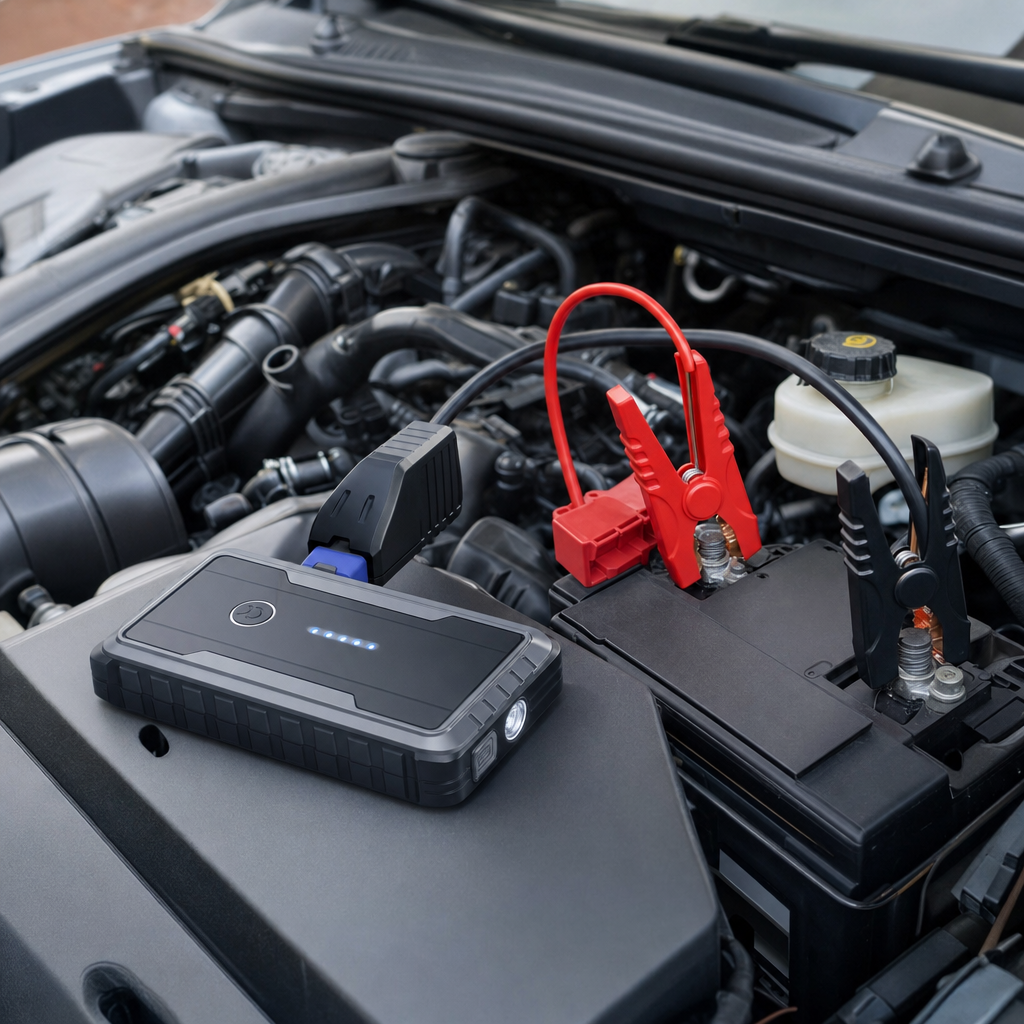
Understanding Modern Portable Jump Starters
The automotive accessory market has undergone a dramatic transformation over the past decade, largely due to advancements in lithium-ion battery technology. Traditional lead-acid jump boxes, which were heavy, cumbersome, and required frequent charging to remain operational, have largely been replaced by compact, lightweight lithium power banks. These modern devices can easily fit inside a glove compartment, under a seat, or within a small trunk organizer, yet they pack enough electrical punch to crank large displacement engines. For everyday drivers, this portability means that roadside independence is now entirely feasible without needing to rely on another vehicle for a traditional pair of jumper cables.
When evaluating the best jump starter options available today, it helps to understand their core mechanical and electrical composition. Unlike older models that simply transferred power through thick copper wires from a donor car, portable units utilize internal battery cells designed to discharge massive amounts of current in a very short burst. This surge of electrical energy is what successfully turns over a sluggish starter motor. Furthermore, manufacturers have integrated sophisticated microprocessors into these units. These internal computers continuously monitor temperature, voltage, and current flow, ensuring that the device operates safely and prevents catastrophic electrical damage to modern computerized vehicle architectures.
Key Specifications to Consider Before Choosing
Selecting the appropriate unit requires paying close attention to specific electrical ratings rather than relying solely on marketing claims or physical size. Peak amperage is the most common metric advertised on packaging, representing the maximum instantaneous current the device can theoretically deliver under ideal conditions. However, starting current, sometimes referred to as cranking amps, is a much more reliable indicator of real-world performance. This metric measures the steady stream of power the jump starter can supply over a few crucial seconds while the engine attempts to fire. Larger engines, particularly diesel trucks or large displacement V8s, demand significantly higher cranking amps to overcome internal friction and compression.
Engine displacement compatibility is another critical specification detailed by every reputable manufacturer. A compact sedan with a four-cylinder engine places minimal strain on a portable power pack, whereas a heavy-duty pickup truck requires a robust device with high capacity. Battery capacity itself is typically measured in milliamp-hours or watt-hours, indicating how much total energy the unit stores. Higher capacity not only guarantees more cranking attempts per charge but also translates to extended run times when utilizing auxiliary charging ports for smartphones, tablets, or portable air compressors during emergency roadside scenarios.
Essential Safety Features and Protective Mechanisms
Working with automotive electrical systems always carries inherent risks, making safety features non-negotiable when evaluating the best jump starter units on the market. Reverse polarity protection is perhaps the most vital safeguard, preventing electrical damage if the user accidentally attaches the positive clamp to the negative terminal and vice versa. Advanced circuitry immediately detects this incorrect connection and cuts power to the clamps, eliminating dangerous sparks and preventing blown fuses or fried engine control modules. Additionally, short-circuit protection safeguards the device if the metal clamps accidentally touch each other while the unit is actively powered on.
Thermal management systems represent another critical layer of modern engineering in portable power devices. Extreme temperatures, whether freezing winter conditions or blistering summer heat, place immense stress on lithium chemistry batteries. Quality jump starters incorporate internal temperature sensors that prevent the unit from discharging or charging if internal components exceed safe operational thresholds. Overcharge and over-discharge protections also prolong the overall lifespan of the internal cells by stopping power flow once the battery reaches maximum capacity during a recharge cycle or drops too low during storage.
Practical Guidance for Safe Operation and Maintenance
Operating a portable battery booster safely requires a methodical approach and strict adherence to manufacturer instructions. Begin by ensuring the jump starter is charged to at least fifty percent capacity, though a full charge is always optimal for stubborn engines. Turn off all vehicle accessories, including the radio, air conditioning, headlights, and interior lights, to reduce electrical load. Connect the red positive clamp to the positive battery terminal first, followed by the black negative clamp to an unpainted metal surface on the engine block rather than directly to the negative battery post, which helps prevent potential battery gas ignition.
Proper long-term maintenance ensures your investment remains reliable when an unexpected dead battery occurs. Lithium-ion batteries naturally lose charge over time, even when completely disconnected from any load. Drivers should establish a routine of checking the charge level of their portable unit every three to six months and topping it up using a standard wall charger or USB adapter as needed. Store the device in a protective case within a moderate temperature zone of the vehicle, avoiding prolonged exposure to direct sunlight on the rear parcel shelf or extreme sub-zero trunk environments whenever possible.
Bonus Utility Features Found in Modern Units
Modern portable jump starters have evolved far beyond single-purpose automotive tools, incorporating a wide array of auxiliary functions that enhance their everyday utility. Built-in LED flashlights are now standard on almost every model, frequently featuring multiple operational modes such as strobe, SOS, and solid illumination. These lights prove invaluable during nighttime roadside emergencies or when navigating dark garages during power outages. Furthermore, USB output ports transform the jump box into a high-capacity power bank capable of charging mobile phones, laptops, and portable navigation units multiple times over.
Some advanced models even integrate specialized accessories like 12-volt DC sockets or detachable air compressors. The inclusion of a tire inflator allows motorists to top off low tires caused by nail punctures or seasonal temperature drops without needing to find a functioning gas station air pump. Digital LCD screens provide precise readouts of remaining battery percentage, input and output voltage, and active safety alerts. When assessing these extra features, drivers should weigh their personal travel habits and roadside preparedness needs to determine which capabilities add genuine value.
Frequently Asked Questions
How often do I need to recharge my portable jump starter?
You should check the charge level every three to six months and recharge the unit as needed. Lithium-ion batteries slowly lose power over time even when not in use, so maintaining a full charge ensures it is ready for emergencies.
Can a portable jump starter damage my vehicle’s computer system?
No, provided you purchase a quality unit equipped with modern safety features like reverse polarity protection and surge suppression. These built-in safeguards regulate voltage and prevent electrical spikes from harming sensitive microprocessors.
What size jump starter do I need for a large V8 engine?
For large V8 engines or diesel trucks, you should look for a heavy-duty jump starter with high cranking amps, typically rated for at least six to eight liters of gas displacement and substantial peak current output.
Can I leave my jump starter inside the car during extreme weather?
While most units are designed to withstand normal temperature fluctuations, prolonged exposure to extreme heat or freezing cold can degrade battery performance and lifespan. It is best to bring it indoors during severe weather.
Article Was Generated By AI.