
Introduction to Automotive Battery Maintenance
Every vehicle owner eventually faces the dreaded silence of a dead battery when turning the ignition key. Understanding how to properly replenish your battery’s energy reserves is a fundamental skill that saves time, money, and unnecessary towing fees. A reliable charging unit serves as insurance against unexpected power drains caused by extreme weather, lingering interior lights, or infrequent driving habits. Rather than relying solely on jump-starts from Good Samaritans, having a dedicated maintenance device allows you to restore a depleted power cell safely right in your own garage or driveway.
Modern power management devices have evolved far beyond the heavy, unmonitored metal boxes of the past. Today’s advanced electronics utilize sophisticated microprocessors to analyze a battery’s internal resistance, voltage level, and overall health before delivering a precise electrical current. This intelligent approach prevents the common hazards of older technology, such as severe overcharging, electrolyte boiling, and permanent plate damage. By tailoring the charging cycle to the exact chemical needs of the battery, these modern tools significantly extend the operational lifespan of expensive automotive power sources.
Investing time in learning about battery replenishment ensures you select equipment that matches your specific driving lifestyle and vehicle requirements. Whether you drive a daily commuter car, store a classic convertible during winter months, or maintain a fleet of recreational vehicles, the right apparatus keeps your machinery ready for immediate use. Furthermore, proactive maintenance reduces the environmental impact of premature battery disposal by keeping existing power cells healthy and functional for as many years as possible through proper desulfation and conditioning cycles.
Core Types of Chargers and Their Applications
Navigating the marketplace for a power restoration unit requires familiarity with the three primary categories available to consumers: traditional standard units, intelligent smart chargers, and high-output jump starters. Standard manual devices provide a constant current and require the operator to monitor voltage closely and disconnect the unit manually once the gauge indicates full capacity. While these older models are often budget-friendly and straightforward, they demand constant human supervision to prevent catastrophic overcharging and subsequent battery failure during extended maintenance sessions.
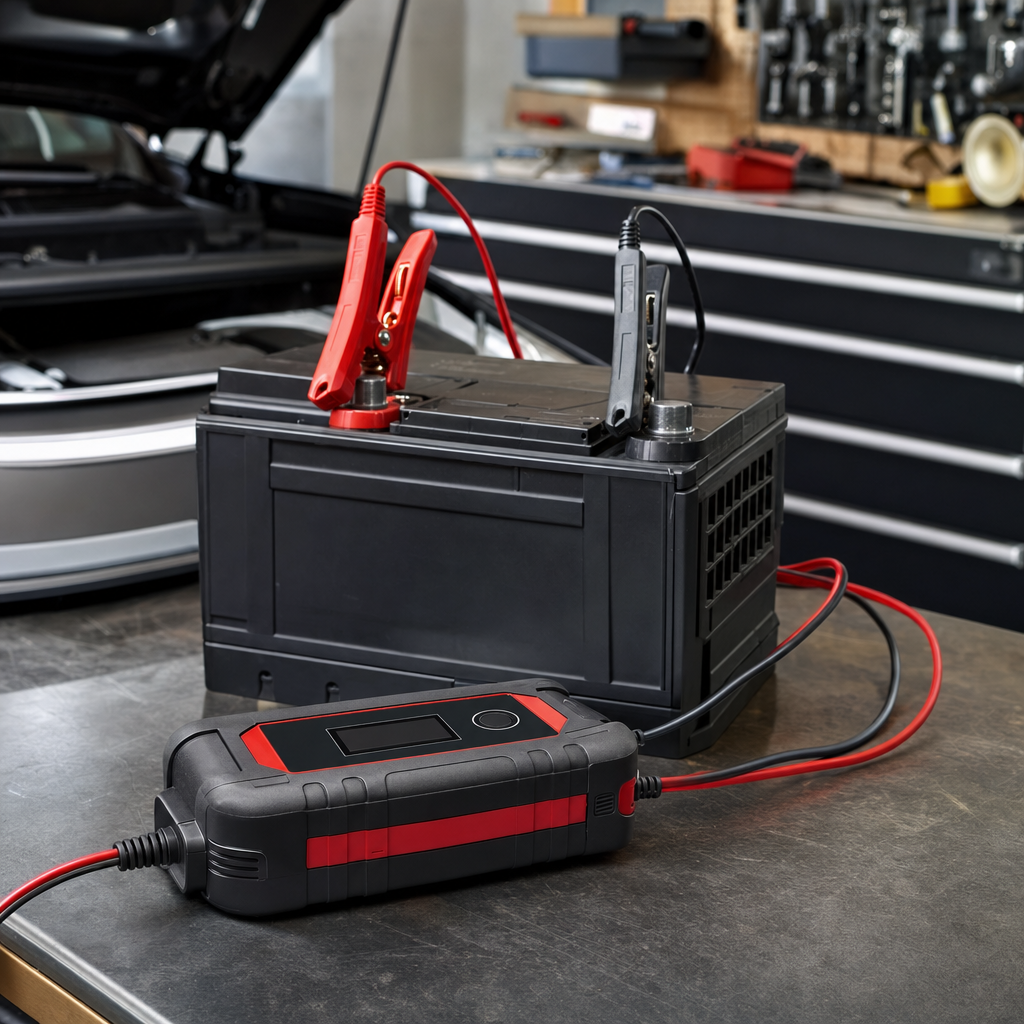
Smart charging technology represents the gold standard for everyday vehicle maintenance by automating the entire energy restoration process from start to finish. These devices employ multi-stage charging algorithms that typically include analyzing, desulfating, soft start, bulk charging, absorption, analysis, and float maintenance modes. Once the battery reaches maximum capacity, the unit automatically switches to a low-voltage float mode, maintaining a safe, continuous trickle of current indefinitely without damaging the internal lead-acid or lithium-ion chemistry inside the housing.
Portable jump starters combine a high-capacity lithium battery pack with compact booster cables, allowing users to revive a dead engine without needing an AC wall outlet or another vehicle. While these portable packs are exceptional for roadside emergencies, they are generally designed for temporary rescue operations rather than slow, deep-reconditioning cycles. Understanding this distinction helps owners pair the appropriate device with their specific scenario, whether that involves routine garage maintenance or emergency preparedness on remote highways.
Key Features to Evaluate Before Making a Choice
Amperage rating is one of the most critical specifications to evaluate when shopping for an energy restoration device, as it directly dictates how quickly the equipment can replenish a depleted power source. Units typically range from low-current trickle maintainers delivering one to two amps up to heavy-duty workshop models pushing forty amps or more for rapid replenishment. Matching the amperage to your battery capacity prevents overheating during the process, ensuring that smaller motorcycle batteries receive gentle current while large diesel truck batteries get sufficient power.
Battery chemistry compatibility is another vital consideration in modern vehicle maintenance, given the diverse array of power cell designs found in contemporary automobiles. Standard flooded lead-acid batteries require different charging voltages compared to sealed Maintenance-Free, Absorbed Glass Mat, Gel cell, and Lithium Iron Phosphate alternatives. Purchasing a versatile unit equipped with manual or automatic chemistry selection switches ensures you can safely service everything from lawnmowers and luxury sedans to modern start-stop vehicles without risking chemical breakdown.
Safety mechanisms and build quality separate mediocre consumer gadgets from professional-grade maintenance tools that last for decades in harsh garage environments. Look for features such as reverse polarity protection, which prevents dangerous sparks and electrical damage if you accidentally touch positive clamps to negative terminals. Weather resistance ratings, sturdy copper clamp construction, and clear digital diagnostic displays further enhance usability, making the entire maintenance routine foolproof even for complete automotive beginners.
Step-by-Step Practical Guidance for Safe Operation
Executing a successful battery charging session requires strict adherence to safety protocols to prevent acid splashes, electrical shorts, and explosive hydrogen gas ignition. Always begin by working in a well-ventilated area away from open flames, sparks, or smoking materials, as charging batteries naturally emit flammable gases. Wearing protective eyewear and heavy-duty gloves provides an essential physical barrier against corrosive battery acid that may have leaked or crystallized around the terminal posts during previous driving cycles.
Preparation of the battery terminals ensures a clean electrical connection and eliminates high-resistance points that can cause excessive heat buildup during the energy transfer. Use a wire brush to scrub away powdery white or blue corrosion deposits from both the positive and negative posts before attaching any cables. If the battery features removable filler caps on a flooded design, inspect the internal fluid levels and top them off with distilled water if the lead plates are visibly exposed above the liquid line.
Connecting and disconnecting the device in the correct sequence is paramount for preventing dangerous electrical sparks near the battery housing.
- Ensure the charging unit is unplugged from the AC wall outlet before touching any cables or terminals.
- Attach the red positive clamp securely to the positive battery terminal marked with a plus sign.
- Attach the black negative clamp to an unpainted metal grounding point on the vehicle chassis rather than directly to the negative battery post when possible.
- Plug the charging device into the wall outlet and select the appropriate voltage and chemistry settings.
- Allow the cycle to complete fully, then unplug the AC power cord before removing the black and red clamps in reverse order.
Long-Term Battery Care and Maintenance Best Practices
Maximizing the operational lifespan of your vehicle’s power source demands proactive habits that go beyond simply reacting to dead batteries during freezing winter mornings. Regularly testing the state of charge using a digital multimeter or a dedicated carbon pile load tester helps identify declining cells before they fail completely leaving you stranded. Batteries operating below a fifty percent state of charge for extended periods suffer from irreversible sulfation, where lead sulfate crystals harden on the plates and permanently diminish overall capacity.
For vehicles that sit idle for weeks or months at a time, such as classic cars, convertibles, or seasonal watercraft, continuous trickle maintenance is an absolute necessity. Leaving a smart maintainer connected during periods of storage prevents parasitic electrical drains from security systems, clocks, and computer modules from draining the power cell to zero. This continuous low-level management keeps the internal chemistry active and balanced, ensuring the engine turns over effortlessly the moment you are ready to drive again.
Environmental factors also play a massive role in battery degradation, with extreme summer heat proving just as destructive as freezing winter temperatures. High under-hood temperatures accelerate internal fluid evaporation and chemical corrosion, making periodic inspections during hot months equally important. Cleaning terminal posts with a neutralizing baking soda solution and applying protective anti-corrosion grease ensures optimal electrical conductivity year-round, protecting both your battery and the sensitive charging electronics of your vehicle.
Frequently Asked Questions
How long does it typically take to fully charge a completely dead car battery?
The duration depends heavily on your charger’s amperage rating and the battery’s total capacity. A standard ten-amp unit usually requires between six to twelve hours to fully restore a deeply discharged standard automotive battery.
Can I leave a smart battery charger connected to my car all winter long?
Yes, high-quality smart chargers feature automatic float modes that monitor voltage and deliver a minimal maintenance current indefinitely. This prevents overcharging and keeps stored vehicles ready to start without damaging internal components.
What is the difference between a trickle charger and a smart battery maintainer?
A basic trickle charger delivers a constant, low-level current that can eventually overcharge and damage a battery if left unattended for too long. A smart maintainer automatically adjusts output voltage and shuts off or switches to float mode when full capacity is reached.
Is it safe to charge a car battery while it remains connected to the vehicle?
Yes, modern smart chargers feature regulated outputs and microprocessor controls that protect vehicle computers and sensitive electronics from voltage spikes, making on-vehicle charging completely safe when instructions are followed.
Article Was Generated By AI.