
Understanding Your Options for Interior Car Cleaning
When searching for the best car vacuum, you will quickly discover that automotive cleaning tools come in several distinct configurations. Corded models that plug into your vehicle’s 12-volt accessory outlet offer continuous run times without the worry of battery degradation. However, these corded units are restricted by the length of the wire, which can sometimes make reaching the far corners of large SUVs or minivans challenging. Power ratings for these direct-plug models vary significantly, directly impacting suction strength and overall performance against deeply embedded dirt.
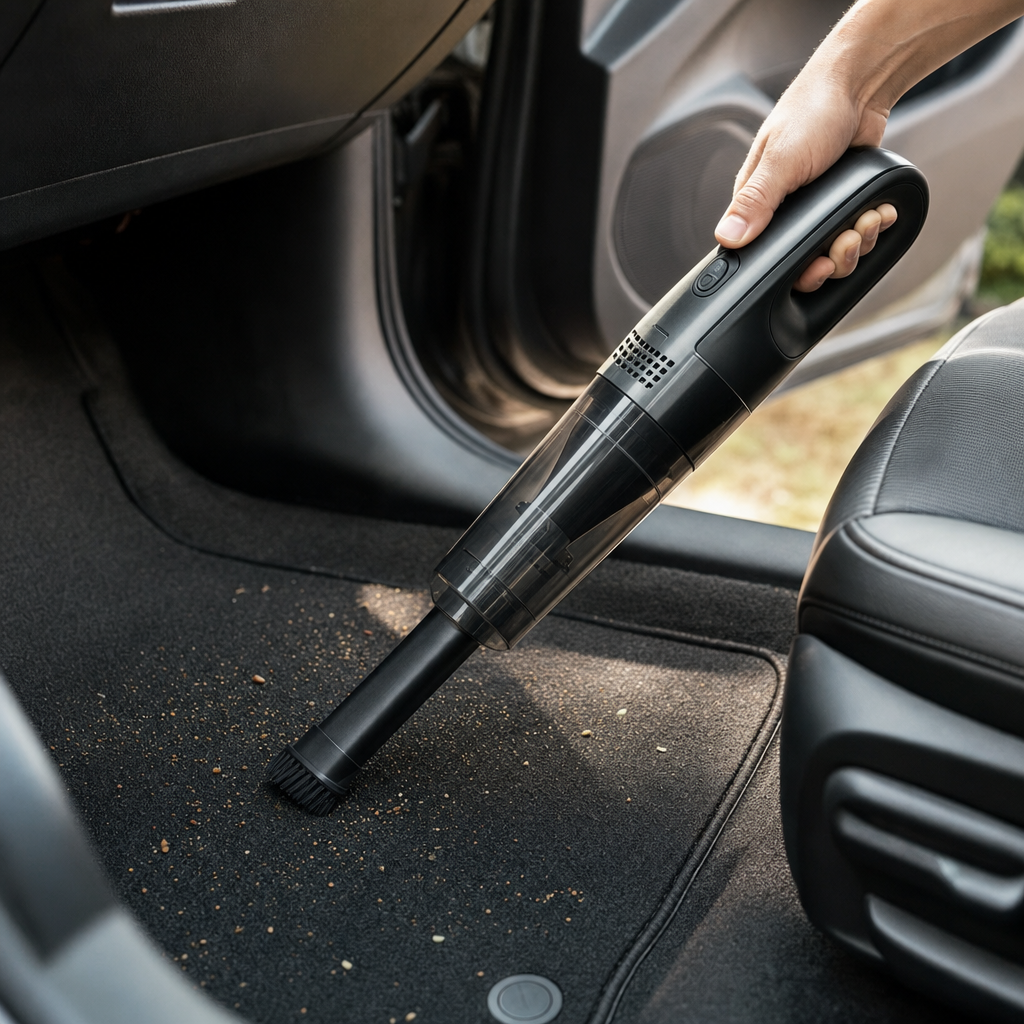
On the other hand, cordless rechargeable car vacuums provide unmatched portability and freedom of movement. You can easily maneuver these compact devices between seats, into deep footwells, and even inside the trunk without wrestling with tangled wires. Modern lithium-ion batteries have dramatically improved run times and charging speeds compared to older nickel-cadmium alternatives. Despite these advancements, users must still monitor battery levels closely, as suction power can sometimes drop noticeably as the charge depletes toward the end of a cleaning session.
Key Performance Factors to Evaluate Carefully
Suction power remains the single most critical metric when evaluating any portable cleaning device designed for vehicles. Measured in air watts or water lift, strong suction is essential for pulling heavy debris, fine sand, and pet hair out of dense automotive carpeting. Unfortunately, manufacturer specifications do not always tell the whole story, making real-world testing and user experiences vital reference points. A high-efficiency motor paired with an optimized airflow path generally outperforms a motor that relies solely on raw wattage without proper design integration.
Filtration systems also deserve close inspection before you settle on a specific model for your routine car maintenance. HEPA filters and multi-stage filtration setups trap microscopic dust particles, pollen, and allergens, preventing them from blowing back into the cabin air while you clean. Washable filter designs save money over time, though they require complete drying before reinstallation to prevent mold growth and motor damage. Choosing a vacuum with clear dust cup visibility also lets you monitor capacity easily, ensuring you empty the container before performance begins to suffer.
Essential Attachments and Specialized Tools
The best car vacuum is often defined by the versatility of its included accessory attachments. Crevice tools are absolutely indispensable for sliding between seat bolsters, center consoles, and seatbelt buckles where crumbs and debris accumulate relentlessly. Brush attachments help agitate stuck-on dirt and dust from dashboard vents, steering columns, and textured plastic door panels without scratching delicate surfaces. Flexible hose extensions further enhance reach, allowing you to place the main motor unit securely on the floor while you guide the cleaning head into tight spots.
Pet owners face unique challenges that require specialized motorized brush heads to effectively lift embedded animal fur from upholstery. Standard suction alone often fails to dislodge static-clinging pet hairs woven into fabric floor mats or trunk liners. Rubberized nubs and rotating bristles mechanically loosen these stubborn fibers so the airflow can capture them efficiently. Evaluating your specific lifestyle needs ensures that the model you select comes equipped with the exact tools required to tackle your vehicle’s unique messes.
Practical Guidance for Effective Interior Detailing
Achieving a professional-level clean in your vehicle requires more than just a powerful machine; technique matters immensely. Start your cleaning process by removing all large trash, floor mats, and personal belongings from the cabin to clear unobstructed pathways. Shake floor mats vigorously outside the vehicle before using your vacuum to remove loose surface dirt, which prevents clogging the vacuum canister prematurely. Always work from the top down, cleaning the headliner, dashboard, and seats before finally vacuuming the floorboards where heavier debris settles.
Regular maintenance of your cleaning equipment guarantees consistent performance and extends the lifespan of the motor. Empty the dust compartment after every major cleaning session to maintain optimal airflow and prevent unpleasant odors from developing inside the storage bin. Inspect the hose and nozzle openings frequently for blockages caused by large items like coins, paper clips, or food wrappers that accidentally entered the intake. Storing the device in a cool, dry place protects the internal electronics and preserves battery longevity for cordless models.
Comparing Wet and Dry Capabilities
Spills happen unexpectedly during daily commutes, making wet-and-dry vacuum functionality a highly desirable feature for many vehicle owners. Traditional dry-only vacuums can suffer permanent motor failure if they ingest liquids, making specialized wet-dry models necessary for liquid cleanup. These versatile units feature waterproof collection chambers and sealed motor housings designed to handle spilled coffee, melted snow, or accidental drink mishaps safely. However, users must thoroughly clean and dry the fluid reservoir immediately after wet pickup to prevent bacteria buildup and foul smells.
While wet-dry capability adds incredible convenience, it typically adds bulk and weight to the overall device design. Lighter, dedicated dry vacuums are generally easier to handle during routine maintenance tasks where liquid spills are not a primary concern. Consider your typical driving habits and passenger demographics, such as whether you frequently transport young children or pets, when deciding whether wet suction is a mandatory feature for your garage toolkit.
Frequently Asked Questions
Can I use a standard household vacuum to clean my car?
Yes, a standard household upright or canister vacuum works well if you have a long extension cord and the right attachments. However, bulky vacuums are often cumbersome to maneuver inside tight vehicle cabins compared to compact, specialized car vacuums.
How many watts of power do I need for good suction?
For 12-volt car vacuums, look for models offering at least 100 to 150 watts of power. Cordless handheld models rely on air watts, where 15 to 30 air watts generally provides sufficient suction for routine crumbs and surface dust.
How often should I clean or replace the vacuum filter?
Empty the dust cup after every use and tap out loose debris from the filter. Wash foam or cloth filters every few months with mild soap and water, ensuring they dry completely for 24 hours before reinstalling.
Will a cordless car vacuum drain my car battery?
No, cordless vacuums feature their own internal rechargeable batteries and do not draw power from your vehicle’s electrical system, meaning your car battery remains completely safe while you clean.
Article Was Generated By AI.