
Understanding the Chemistry of Automotive Cleaning
When searching for the best car wash soap, it helps to understand why ordinary household cleaners like dish soap or laundry detergent are fundamentally unsuitable for automotive paint. Household detergents are specifically formulated to strip grease, heavy food oils, and stubborn residues from ceramic plates or cotton fabrics. Unfortunately, these aggressive chemical surfactants do not discriminate between a greasy dinner plate and the protective wax layer on your car’s clear coat. Using dish soap repeatedly strips away factory sealants and natural waxes, leaving the porous clear coat completely exposed to harsh ultraviolet rays, acid rain, and environmental oxidation. Over time, this lack of protection leads to dull, chalky paint and premature clear coat failure.
Automotive shampoos, by contrast, are meticulously engineered with pH-balanced formulas that gently lift road grime, bird droppings, and stubborn tree sap without compromising underlying protective layers. The best car wash soap options utilize specialized lubricating agents designed to encapsulate microscopic dirt particles. As your wash mitt glides across the metal panels, these lubricants lift the abrasive grit away from the painted surface and trap it within the suds. This crucial mechanism drastically reduces the friction that causes swirl marks and micro-scratches during the washing process. Investing in a dedicated automotive cleanser ensures your vehicle receives a thorough cleaning while preserving the integrity of its exterior finishes.
Key Categories of Automotive Shampoos
The automotive care market features a wide variety of cleaning formulations tailored to specific maintenance needs, seasonal conditions, and detailing preferences. Standard maintenance shampoos offer neutral pH levels and focus primarily on safe cleaning and high foam generation without adding any gloss enhancers or protective polymers. These products are ideal for vehicles that are regularly waxed and simply need routine maintenance to remove weekly accumulations of dust and light road film. They clean effectively without leaving behind any residue, ensuring your car’s true finish shines through clearly after every rinsing session.
Another popular category includes wash-and-wax hybrids, which infuse traditional cleaning surfactants with carnauba wax or synthetic polymers. While these formulas cannot entirely replace a dedicated, multi-month wax application, they deposit a thin layer of protection and gloss every time you wash the car. Enthusiasts also frequently utilize advanced pH-balanced stripping soaps designed to intentionally remove old waxes and sealants prior to applying a fresh layer of ceramic coating or polymer sealant. Understanding these distinct categories ensures you select a product that aligns perfectly with your specific vehicle care objectives and current maintenance schedule.
Evaluating Key Performance Factors
When evaluating potential options, several critical performance characteristics separate mediocre formulas from truly exceptional ones. Lubricity is arguably the most vital metric, as it determines how effectively the soap prevents wash mitts and sponges from dragging abrasive grit across delicate clear coats. High-lubricity formulas create a slick barrier between the sponge and the paint, allowing contaminants to slide off safely rather than grinding into the surface. Checking user reviews and product specifications for terms like ultra-slick or high glide will help you identify formulas that prioritize this essential protective quality.
Foam generation and retention are also important factors, particularly for owners who utilize foam cannons or foam guns connected to pressure washers. Thick, shaving-cream-like foam clings to vertical panels for extended periods, allowing the surfactant chemicals more time to break down heavy road grime and bug splatters before physical agitation begins. Additionally, consider dilution ratios and overall economic value when making your selection. A concentrated formula that requires only one ounce per five-gallon bucket often provides superior value over cheaper, highly diluted alternatives that require half a bottle per wash cycle.
Practical Guidance for Safe Washing Techniques
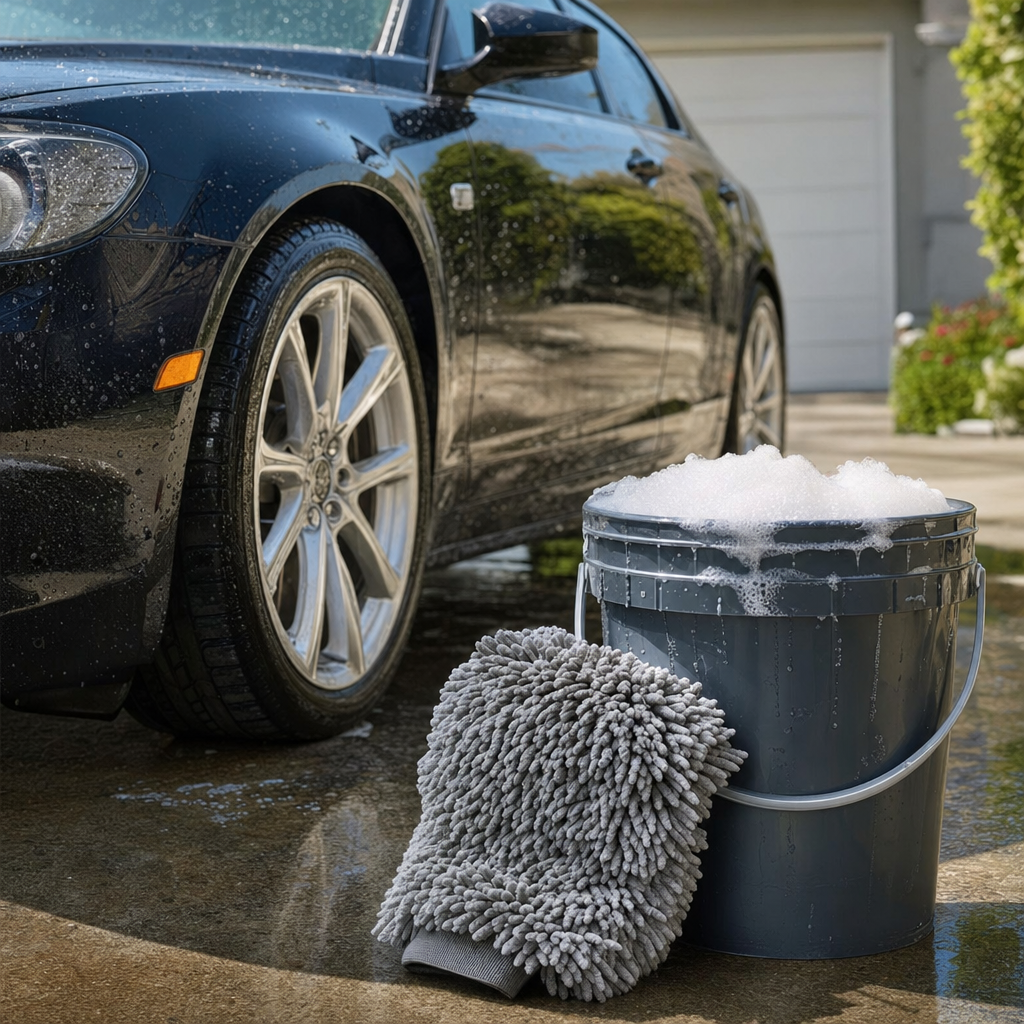
Even the absolute best car wash soap cannot protect your vehicle if improper washing techniques and contaminated tools are utilized during the process. To achieve a scratch-free finish, professional detailers universally recommend the two-bucket wash method. This technique involves filling one bucket with your soapy water solution and a second bucket with clean rinse water equipped with a grit guard insert at the bottom. Before reloading your wash mitt with fresh soap, you must thoroughly scrub the mitt in the rinse water bucket to dislodge trapped dirt particles and prevent them from scratching your paint.
Environmental factors and timing play equally crucial roles in achieving professional-looking results without water spots or streaks. You should always wash your car in a shaded area and ensure the metal body panels are cool to the touch before applying any water or soap. Direct sunlight causes wash water and soap suds to evaporate rapidly, leaving behind stubborn mineral deposits and dried soap residue that can etch into the clear coat. Taking your time, working from the roof down to the heavily soiled rocker panels, and using clean microfiber drying towels will ensure a spotless finish.
Common Mistakes to Avoid
Vehicle owners frequently compromise their paint health by committing entirely preventable errors during the routine cleaning process. One of the most common pitfalls is using a single sponge or wash mitt for the entire vehicle without differentiating between upper body panels and lower rocker panels. The lower sections of a car accumulate heavy deposits of tar, brake dust, and gritty road sand that can easily ruin a wash mitt and scratch paint. Professional detailers always reserve separate, dedicated wash pads for wheels, lower panels, and upper glass surfaces to prevent cross-contamination of abrasive debris.
Another frequent mistake involves using excessive product concentrations in an attempt to generate more suds or tackle heavy mud. Pouring unmeasured amounts of concentrated soap into your bucket does not necessarily improve cleaning power; instead, it creates an over-concentrated mixture that becomes difficult to rinse thoroughly. Residual soap film left on the vehicle can attract dust and pollen immediately after drying, ruining your hard work. Always adhere strictly to the manufacturer-recommended dilution ratios printed on the product label to ensure optimal performance and easy rinsing.
Frequently Asked Questions
Can I use household dish soap to wash my car in an emergency?
While dish soap will clean dirt, it strips away protective wax and sealants, drying out rubber trim and accelerating paint oxidation.
How often should I wash my vehicle to maintain the paint?
Most vehicles benefit from a thorough wash every two weeks to prevent environmental contaminants from bonding permanently to the clear coat.
What is the difference between pH-balanced soap and stripping soap?
pH-balanced soaps clean gently without harming existing wax, whereas stripping soaps intentionally remove old sealants to prep paint for new coatings.
Do I need a pressure washer to use specialized automotive foam soaps?
No, while foam cannons require pressure washers, you can easily use foaming soaps with a standard garden hose foam gun or traditional bucket method.
Article Was Generated By AI.