
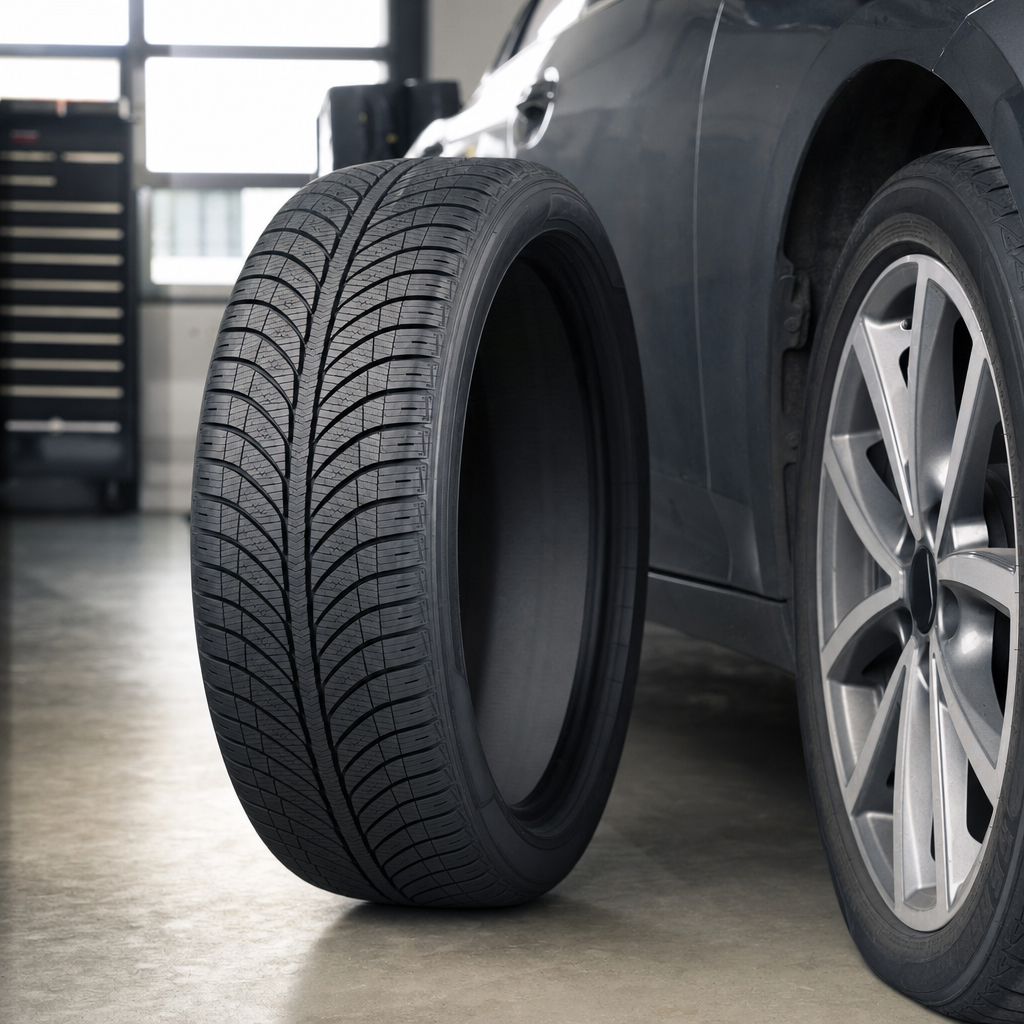
Understanding SUV All-Season Tires
Sport utility vehicles have evolved significantly over the past few decades, transitioning from rugged, truck-based utility haulers into sophisticated daily drivers capable of handling everything from school drop-offs to cross-country road trips. Because these vehicles are typically heavier, taller, and possess higher centers of gravity compared to traditional sedans, they demand specialized rubber that can support their unique weight distribution. The best all season tires for SUVs are engineered precisely to bridge the gap between highway comfort and utility capability, offering a balanced blend of longevity, wet-weather grip, and dry-pavement handling for everyday driving scenarios.
Unlike dedicated summer tires that harden and lose traction when temperatures drop, or winter tires that wear out rapidly on hot dry asphalt, all-season models use versatile rubber compounds designed to remain flexible across a wide temperature range. They feature moderately deep tread blocks combined with specialized siping—tiny slits cut into the rubber—which help bite into light snow and evacuate standing water during heavy rainstorms. This adaptability makes them the factory-default choice for the vast majority of crossover and SUV owners who live in regions with moderate seasonal shifts but without extreme, months-long Arctic weather conditions.
Key Performance Characteristics to Evaluate
When researching tire options for your specific sport utility vehicle, understanding tread design is crucial for predicting real-world performance. Asymmetric and directional tread patterns are common, each serving a distinct purpose in balancing water evacuation, cornering stability, and road noise reduction. Sipes play a massive role in wet and winter traction by creating additional biting edges, while circumferential grooves channel water away from the contact patch to prevent hydroplaning at highway speeds. Evaluating these physical attributes helps drivers match tire capabilities with their daily commuting habits and local climate patterns.
Load capacity and speed ratings are another critical consideration unique to heavier vehicles like SUVs. Manufacturers assign specific load index numbers and speed symbols to every tire, indicating the maximum weight the tire can safely support and the maximum speed it can sustain under that weight. Choosing a tire with an inadequate load index can lead to accelerated wear, poor handling dynamics, and potential safety hazards. Furthermore, rolling resistance significantly impacts your vehicle’s fuel economy, making modern low-rolling-resistance all-season designs financially beneficial over the lifespan of the tire.
Comparing Touring and Performance Categories
The all-season category generally splits into two major sub-segments for sport utility vehicles: touring tires and highway performance tires. Touring all-season options prioritize ride comfort, low noise levels, and extended tread life, making them ideal for family crossovers, daily commuters, and long-distance road trippers. They often come with substantial mileage warranties, sometimes ranging from 60,000 to 80,000 miles, providing excellent long-term value. Their sidewalls are typically tuned to absorb minor road imperfections, smoothing out potholes and rough pavement for a more relaxing cabin experience.
On the other hand, performance-oriented all-season tires cater to luxury SUVs, sports-derived crossovers, and drivers who prefer a more responsive, engaging steering feel. These tires feature stiffer sidewalls, broader shoulder blocks, and rubber compounds tuned for enhanced cornering grip and high-speed stability. While they offer superior handling dynamics and a sharper steering response, they may sacrifice a small amount of ride comfort and typically feature shorter tread life warranties than their touring counterparts. Choosing between these two styles depends entirely on whether your priority leans toward plush comfort or spirited handling.
- Touring All-Season: Focuses on maximum ride comfort, low noise, and high mileage warranties.
- Performance All-Season: Focuses on responsive handling, high-speed stability, and aggressive cornering grip.
- All-Weather Variants: A sub-category featuring the Three-Peak Mountain Snowflake symbol for superior winter capability.
Practical Maintenance and Longevity Tips
Maximizing the lifespan of your SUV tires requires consistent, proactive maintenance routines that go beyond simply checking pressure during seasonal shifts. Because sport utility vehicles exert uneven forces on their contact patches during acceleration, braking, and cornering, regular tire rotations are absolutely essential. Most manufacturers and automotive technicians recommend rotating your tires every 5,000 to 7,500 miles, often coinciding with routine oil change intervals. This practice ensures even wear across all four corners, preventing premature cupping, shoulder wear, and annoying road drone.
Maintaining proper inflation pressure is equally vital for safety, fuel efficiency, and tread longevity. Under-inflated tires generate excessive internal heat, increase rolling resistance, and wear out rapidly on the outer shoulders, while over-inflation reduces the contact patch and accelerates center tread wear. Check your tire pressure at least once a month using a reliable digital gauge, always referencing the placard located inside the driver-side door jamb rather than the maximum pressure listed on the tire sidewall itself.
Understanding Winter Ratings and Limitations
A common misconception among drivers is that any tire labeled as all-season is fully equipped to handle severe winter blizzards and deep mountain snow. Traditional all-season tires are designed primarily for dry and wet conditions, offering only modest performance in light, melting snow. If you live in an area prone to severe winter weather with heavy snowfall and icy roads, you should look specifically for tires bearing the Three-Peak Mountain Snowflake symbol, which indicates they meet rigorous official standards for severe snow traction.
For extreme climates with months of sub-freezing temperatures, dedicated winter or snow tires remain the gold standard of safety, outperforming even the best all-season or all-weather options on ice and packed snow. However, for drivers in regions with mild winters, sporadic snowfall, and moderate temperatures year-round, modern all-weather or high-tier all-season tires strike a practical balance without the hassle and expense of semi-annual seasonal tire swaps and storage.
Frequently Asked Questions
How long do SUV all-season tires typically last?
Most quality SUV all-season tires last between 50,000 and 75,000 miles, depending on driving habits, vehicle weight, proper inflation, and routine tire rotations performed every 5,000 to 7,500 miles.
Can I mix different brands or tread patterns on my SUV?
It is strongly recommended to use matching tires on all four positions of an SUV, especially on all-wheel-drive or four-wheel-drive models, to prevent drivetrain strain and maintain predictable handling dynamics.
What is the difference between all-season and all-weather tires?
All-season tires are optimized for dry, wet, and light winter conditions, while all-weather tires feature the Three-Peak Mountain Snowflake symbol, offering better performance in genuine snow and ice.
How do I know when my SUV tires need replacement?
Tires should be replaced when the tread depth reaches 2/32 of an inch, when you notice cracking in the sidewall, or if the tires are more than six years old regardless of tread.
Article Was Generated By AI.