
Understanding Backup Cameras and Why They Matter
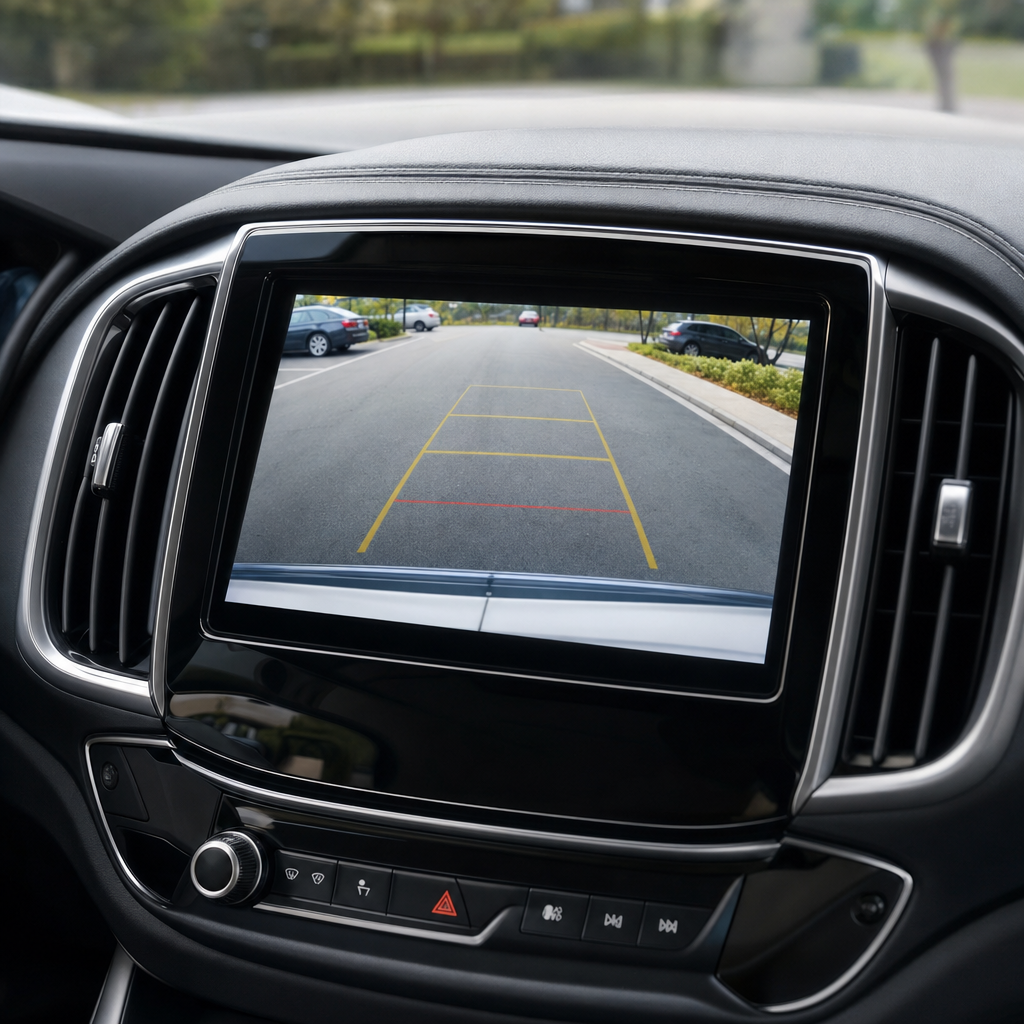
When searching for the best backup camera, drivers are usually looking for a reliable way to eliminate dangerous blind spots directly behind their vehicles. Modern rearview camera systems project a live video feed onto a dashboard screen whenever the vehicle is shifted into reverse, dramatically improving spatial awareness. These systems are especially crucial for larger vehicles like SUVs, trucks, and vans, where factory window designs leave massive areas completely obscured from the driver seat. By providing a clear line of sight to low-lying objects, pets, toys, and curbs, these devices significantly reduce the likelihood of accidental backing collisions during daily driving routines.
Beyond basic collision prevention, upgrading to a high-quality reversing camera transforms everyday parallel parking and tight garage navigation from stressful chores into manageable tasks. Many contemporary setups feature dynamic grid lines that curve as you turn the steering wheel, accurately predicting your vehicle’s trajectory into a parking space. Furthermore, federal regulations now mandate rearview visibility technology in all new passenger vehicles sold in many regions, recognizing the proven life-saving impact of these devices. Older vehicles can easily achieve this same level of modern safety by retrofitting aftermarket kits, ensuring that drivers of any car model can benefit from advanced optical assistance.
Types of Rearview Camera Systems Available Today
Navigating the market for the best backup camera requires understanding the primary hardware categories, starting with wired versus wireless configurations. Wired cameras transmit video signals through physical cables running from the rear license plate mount to the dashboard monitor, offering a consistently interference-free picture and highly reliable signal transmission. However, professional installation is often recommended for wired systems because routing cables through vehicle body panels and interior trim can be labor-intensive and technically challenging for absolute beginners. On the other hand, wireless cameras transmit digital or analog signals via radio frequencies to a receiver, making them exceptionally popular for DIY enthusiasts who prefer avoiding complex cable routing.
Display options also vary widely among available kits, giving consumers the flexibility to choose a screen format that matches their vehicle interior and personal preferences. Some motorists prefer replacement rearview mirror displays that feature an embedded LCD screen which remains completely invisible until the car enters reverse gear. Others opt for dedicated dashboard-mounted monitors or leverage existing infotainment head units if the aftermarket camera includes compatible video input jacks. License plate frame cameras integrate the lens seamlessly into a standard mounting bracket without requiring new bumper holes, while surface-mount cameras require drilling a small pilot hole through the sheet metal for a flush, factory-integrated appearance.
Key Features to Evaluate Before Making a Choice
Evaluating technical specifications is essential when researching the best backup camera to ensure long-term durability and crystal-clear visibility in various environments. Resolution quality directly dictates image sharpness, with many standard models offering 720p HD clarity while premium units boast true 1080p performance for maximum detail recognition. Field of view is another critical metric, generally ranging from 120 to 170 degrees; wider angles capture more of the surroundings but can introduce fisheye lens distortion at the extreme edges. Additionally, look for robust weatherproofing ratings, such as IP67 or IP68, which guarantee that rain, snow, road salt, and high-pressure car washes will not compromise internal electrical components.
Night vision capability is arguably one of the most important performance factors, since a vast majority of minor backing accidents happen in poorly lit parking lots or during nighttime hours. Cameras utilize different technologies to achieve low-light visibility, including infrared LEDs, starlight sensors, and high-dynamic-range processing that balances intense headlight glare with deep shadows. Parking guidelines are another helpful feature, with many systems offering adjustable or removable trajectory lines to suit personal preferences and vehicle dimensions. Selecting a model that balances these optical features ensures you maintain excellent visibility regardless of the weather, time of day, or lighting conditions.
Practical Guidance on Installation and Setup
Proper installation is vital for unlocking the full performance potential of any reversing camera, whether you decide to tackle the project yourself or hire a professional technician. For wireless setups, the camera unit is typically wired directly into the reverse tail light circuit for power, ensuring the system activates automatically whenever the transmission engages reverse gear. The monitor inside the cabin usually plugs into a standard 12-volt accessory socket or fuses directly into the interior fuse box for a cleaner, wire-free dashboard appearance. Taking time to securely mount the external lens at the optimal height and center angle prevents lopsided viewing angles that make accurate distance judgment difficult.
Before finalizing any installation, conducting a thorough bench test or temporary power check saves considerable time and frustration by verifying signal integrity before panel reassembly. Here is a quick checklist of practical steps to follow during your setup process:
- Disconnect the vehicle battery before splicing into any factory wiring harnesses.
- Test the wireless or wired video feed thoroughly before securing interior trim panels.
- Adjust the camera lens angle to capture a sliver of your rear bumper for reference.
- Clean the camera lens regularly with a soft microfiber cloth to prevent dirt buildup.
Cable management requires careful attention, particularly when routing wires past moving trunk hinges, weatherstripping seals, and areas exposed to high engine or exhaust temperatures. Securing loose wires with zip ties or automotive-grade electrical tape prevents annoying rattles, wire pinching, and premature hardware failure caused by constant vehicle vibrations over rough road surfaces. If you choose a professional installation service, verify their warranty policies and technician certifications to guarantee peace of mind regarding the electrical integrity of your vehicle’s sophisticated onboard computer systems.
Frequently Asked Questions
Can I install a backup camera on any vehicle model?
Yes, aftermarket backup camera kits are universally compatible with virtually all cars, trucks, vans, and SUVs, regardless of the vehicle’s manufacturing year or existing dashboard technology.
Do wireless backup cameras suffer from video interference?
While older analog wireless systems occasionally experienced signal dropout, modern digital wireless cameras utilize encrypted frequency hopping to provide stable, crystal-clear video feeds without interference.
How does the camera know when to turn on?
Most backup cameras are wired directly into the vehicle’s reverse light electrical circuit, meaning the system automatically powers on and displays the video feed the moment you shift into reverse.
Do I need professional help to install a rearview camera?
Many wireless and license plate frame kits are designed for straightforward DIY installation within an hour, though complex wired setups or luxury vehicles may benefit from professional wiring assistance.
Article Was Generated By AI.